How Fatigue Management Driving Hours Shape Safer Roads

Fatigue management driving hours aren’t just numbers on a logbook or a supervisor’s headache. They’re guardrails, both literal and invisible, shaping how long drivers can safely stay on the road. Talk to any long-haul driver, and you’ll hear tales about chasing dawn with nothing but roadkill and truck stops for company. Everyone has a “back in my day” story, but times are changing fast. There’s mounting data stacking up like unread emails—driver drowsiness contributes to far too many accidents. Blinking through heavy eyelids is no badge of honor.


What makes managing tiredness on the road so tricky? For starters, the human body doesn’t care about your deadlines. Coffee is a temporary hero. No system beats the need for real sleep. Those regulations? They exist as a shield, preventing drivers from pushing the limits into dangerous territory. Laws dictate maximum driving hours, mandatory rest breaks, and overnight sleep periods. Some grumble about the paperwork, but those lines in the sand keep lives safe.

Road safety has a rhythm, and so do people. Circadian rhythms, science says, pull eyelids closed around 2–4 AM and 1–3 PM. If you’re driving then, you’re fighting biology itself. That’s why smart drivers plan rest stops like birthdays – frequent, non-negotiable, sometimes accompanied by terrible gas station food. There’s a reason chocolate and caffeinated drinks sell like hotcakes at highway stops. Sometimes, little tricks help. Others, they just tease the inevitable. Micro-naps in the cab? They don’t replace REM cycles.

Let’s not sidestep the role of technology. In-cab alarms that chide you awake if you swerve, psycho-physical assessments before routes—welcome to the modern age. Apps even track your hours with ruthless precision. Compliance isn’t optional; it’s required. Still, software might signal fatigue, but nothing beats self-awareness. Everyone’s internal gauge is different. Some can roll through storms while others hit the wall after five hours. Having rules reduces risk, but responsibility sits in the driver’s seat.

There’s a camaraderie on the road among those clocking big miles. They swap tips: Take the 20-minute nap. Never trust food so old it looks back at you. Buddy up for night shifts. Turn up the radio during lulls, but not so loud you’re starring in your own concert. Drivers share wisdom like, “If you can’t remember the last mile, it’s time to pull over.” The best tip? Know yourself better than your logbook.

Fatigue management driving hours are sometimes seen as just red tape. Yet, spending a night asleep in a proper bunk and taking that extra walk around the rest stop isn’t wasted time. It’s insurance, hidden in plain sight. Roads are safer when tiredness stays in the passenger’s seat, not at the wheel. Stay sharp, drive awake, and live to tell better stories at the next truck stop diner.
Glitter, Grit, and Common Sense: Getting into Gold Investing

Imagine this: your stockings have holes in them, and your bank account seems emptier than your fridge does before payday. You might have heard people talk about putting money in http://www.1ozgoldbritannia.co.uk. Is there more to it than meets the eye? Let’s get to work without the pickaxe and pan.

The appeal of gold isn’t just in the past. People still fight over it when economies go up and down. It’s like having a secret stash of chocolate in your drawer to make you feel better when things are unclear. Gold frequently stays calm when currencies fall or inflation goes crazy. It might not install a Ferris wheel in your backyard overnight, but it won’t disappear like digital cash either.

It seems easy to buy gold in person. Bars, coins, and maybe a piece of jewelry that Grandma gave you are all real, hefty things that you can drop on your toe. Storage makes things hard. Putting it in a sock drawer is a poor idea. It works to use bank safe deposit boxes or guarded vaults. But every storage route costs more, and that’s money you won’t be able to use to make money.

There are also paper options. Gold ETFs follow the price of gold. People who play futures are real gamblers. Stocks in mining? Now you’re putting money on a mix of geology and drama in the boardroom. How much risk makes you nervous? Before you buy anything with “gold” in the name, answer that.

Everyone gets confused when they try to time the market. It’s not a big deal if you get it incorrectly. Gold prices go up for strange reasons, like upheaval throughout the world, central banks that don’t always do what they’re supposed to do, or the neighbor’s dog barking (well, maybe not that last one). Dollar-cost averaging helps you relax. Buy tiny amounts over time. No need for a crystal ball.

But taxes. The money you make from selling gold isn’t hidden. Tax laws are different in different countries, so talking to a grumpy accountant can save you a lot of trouble come April. If you don’t think about the tax consequences, you’ll regret it like a shadow.

It’s worth mentioning liquidity quickly. It’s easier to sell a gold coin in an emergency than to get rid of a third cousin’s watercolor picture, but it’s harder than cashing out of a blue-chip company. Dealers get a cut. You might not get the price you wanted.

It is a golden guideline to diversify. Don’t put all your money in one sparkling basket. Gold is a better kind of insurance than a lottery ticket. You should include stocks, cash, and real estate in the mix.

There’s also the emotional side. Some people sleep better when they cuddle gold. Some people get hives as the price goes up and down. Know who you are. If watching gold’s every move makes your blood pressure go up, you might want to give it a lower amount.

There is no doubt that myths follow this valuable metal. Some people say that gold is the best way to protect yourself from all kinds of money problems. It’s a hedge, not a miracle worker. Its worth goes up and down in waves of boredom and enthusiasm.

In short, investing in gold requires patience, being honest with yourself, and ignoring smooth talkers who are trying to sell you sure-fire schemes. Let it shine, but don’t let it blind you.

Get Noticed, One Tote at a Time: Why Promotional Bags Are So Effective

Imagine a conference with a lot of people, searchlights bouncing off the walls, and you standing there with a branded tote bag over your shoulder and a smart grin on your face. This canvas bag is more than just a freebie; it’s also a billboard, an icebreaker, and, to be honest, a savior for misplaced goods. Promotional bags do a lot of work out in the wild. You put a flimsy pen in your new bag. Someone likes your cool cotton tote and wants to know what’s on the front. You didn’t even have to try, and the conversation has already started.

Reusable bags go all over the place. Think about all the fun things they do. Going to the store. Time spent in the gym. Library trips. Stopovers at the airport. That emblem is shown off to dozens of people every time they go out. It feels like the power in that is almost subtle. It’s advertising from the ground up, without all the bother or high cost. One bag, a million impressions. Some people store them in their cars, while others put them at the front door so they’re ready for the next errand. They become a normal part of life.

Let’s be honest: people prefer free things. But not trash that will end up in the trash can or the deepest drawer. The key is to choose bags that customers will want to use over and over again. Things that matter. Cotton seems nice and robust, canvas promises it will last, and non-woven hints at being light and cheap. Then color and finish come to the party. Big prints grab attention, but small designs appear sophisticated. You put a zipper here and a zipped pocket there, and all of a sudden you’ve developed something people want to grab. They might even show their buddies. Think about how one bag going around could have a ripple effect. That’s what you call word-of-mouth that really gets carried away.

Sizes and shapes might also help you reach your goals. The traditional tote is great for books and computers. Drawstring backpacks for people who go to the gym or music festivals. Cooler bags for the coworker who always brings lunch to work. Branding doesn’t have to be loud. Some logos whisper, and some shout, but the important thing is that people see them—in the store, at the park, or over coffee. That little brand mark can end up halfway around the world because of a summer vacation.

Have you ever looked for your keys and then found them in a side pocket you didn’t know you had? Those kinds of features keep your business in people’s minds throughout small occasions in their daily lives. It’s connection via being close. If you add a funny slogan or a message that people will want to share, your bag can show up on social media. That’s not just advertising; it’s telling a tale with cotton and thread.

I once got a nylon tote at an outdoor market. The logo faded over the years, but I still take it with me on every road trip. It got a lot of people talking at laundromats and rail stations. With the correct promotional gear, you can play the long game. The first investment may not seem like much, but the return on investment (ROI) is like spaghetti: it gets twisted, goes on forever, and is sure to stick someplace.

It’s not enough to merely slap a logo on inexpensive cloth and call it a day when you choose a promotional bag. Smart brands think about how useful their products are, how stylish they are, and what people will actually grab quickly. You did your job if the person you gave the bag to smiled when they grab for it. Let your brand explore, have fun, and stay around by giving them a tote, backpack, or cooler with a purpose.

Los armarios de metal dominan cada lugar. ¿Por qué?

Una sencilla estantería de racks metal puede sorprender al cambiar la configuración de una bodega. El orden es lo único importante. Calma y eso. Las cajas tienen una alineación perfecta, parecen soldaditos. No conocen excusas ni desorden.

Se utilizan para ordenar sartenes en las cocinas. Lo prefieren los expertos ya que aguantan ollas, latas y cualquier otro utensilio sin quejarse. Eso es un aspecto del pasado. ¿Eres consciente de aquel mueble de madera que chirriaba con dos platos sobre sí?

Construir un estante de metal puede parecer un enigma al principio, pero una vez que le agarras la maña, no deseas más. Un beneficio evidente. Nunca antes se había hecho tan sencillo limpiar polvo. Deja de lado las telarañas con un trapo húmedo. Resulta práctico incluso para el curioso vecino.

Hay tantas justificaciones para retrasarse como modelos variados. Con ruedas, sin ellas, por encima, por debajo. Las características varían entre el garaje, el taller y la oficina. Mañana, el armazón que alberga herramientas albergará cajas de juguetes. Imagina hallar lo que buscas en cuestión de segundos: tener tus Legos organizados en una repisa que no se vea afectada por el peso.

Algunos armarios de metal son aptos para todo. ¿Quién los señaló como “pesado”? Se cuelgan bicicletas, bolsas de cemento e incluso libros. Nadie ha experimentado de forma auténtica que aguanten suegras. Son resistentes y pueden aguantar años sin solicitar vacaciones. Es verdad.

Varios modelos facilitan la regulación de la separación entre las repisas, un secreto poco divulgado. Es beneficioso para quienes cambian constantemente de gusto. Simplemente ajusta la altura del estante y continúa utilizando el mismo para almacenar botellas y cajas pasados mañana. Sin conflictos y técnico.

El estilo también es importante. El acabado de metal es adecuado para un diseño industrial, contemporáneo o ecléctico. Realiza su labor, ya sea destacando o pasando inadvertido.

Primero considera el peso que requieres aguantar y el espacio disponible para seleccionar correctamente. Determina la categoría y el tamaño según si lo deseas solo para zapatos o lo vas a dejar en medio taller. Realiza un cálculo inmediato en tu mente.

Siempre existen más cosas de las que creemos. Ten en cuenta que uno es pequeño o grande. Es preferible que sea abundante en lugar de escaso.

Estos estantes de metal son como amigos discretos y fieles: sencillos, útiles y siempre listos para ayudar. Intenta uno si te desesperas al no hallar nada. Va a transformar para siempre tu relación con el desorden.

The Franchise Playbook You Wish You Had

Franchising your business is like inviting cousins you don’t see very often to a family gathering. You want everyone to be on the same page and singing from the same book, but that can get crazy. The first thing you need to do is look closely at how to franchise your business. Is it something that can be done again and again, like grandma’s secret chocolate chip cookies, or is it just a one-time thing? Only anything that can be copied, made bigger, and put into standards will genuinely work.

Make it a system. Write down everything. Training manuals, names of suppliers, and strange ways to use cash registers. Put it all down. If you get hit by a bus (please don’t), could someone else keep the show going? That’s the real exam.

Next, let’s dance with the law. There are a lot of rules and paperwork to deal with when you want to franchise, and they can be different from state to state—or country, if you want to go big. Get legal guidance from someone who knows about franchises. Yes, it costs money. Yes, you do need it. If you make a mistake on your franchise disclosure document, you might as well sell hotcakes in a snowstorm.

Now let’s talk about cash and sense: how much should we charge the new people? Fees up front, royalties cuts, and marketing contributions. There is both art and science here. If you go too high, you scare off potential partners. Pets eat better than you do when the price is too cheap. Find the sweet spot for you.

Next on the list is to market your franchise. If they don’t know who you are, they won’t line up. Work on your pitch. Make a story that goes along with your brand. Show potential franchisees how your business works, even on Mondays. Use real information. Tell people about your successes. Don’t make false promises; karma is real.

Choose applications like you’re picking housemates for a year-long trip at sea. It’s true that skills are important, but so is attitude. Trust your gut. Are they able to find solutions when things are tough? Or will they leave the ship at the first sign of trouble?

Training is what holds things together. If you have a secret handshake, your franchisees need to know all the details. Give training that involves doing things. Have “fly on the wall” meetings. Give answers. Don’t disappear after signing day. Support is important, especially when things get tough in month three.

Finally, keep changing. The market gets bigger, people’s tastes change, and smart competitors are just a block away. Check in with each other and talk to one other regularly. Tell others what’s working. Get ideas from a lot of people. Celebrate big events. Keep in mind that you’re making a big family, not a dictatorship. It’s not luck that makes you successful in franchising. It’s about laying the correct groundwork, choosing the right people, and never being satisfied with what you’ve done. And don’t forget to have fun! If all you do is stress and spreadsheets, you’re missing the point.

How to Sell Your Tesla Quickly and Safely on OnlyUsedTesla.com

Sell my Tesla doesn’t have to be a guessing game or a stressful process. OnlyUsedTesla.com was designed to help you find the right buyer without wasting time or risking shady encounters. If you’re ready to hand over the keys to someone new, here’s how to make the process smooth, safe, and successful.

Start by telling the complete story of your car. Buyers don’t want to play detective to figure out what they’re looking at. Be clear about the model year, mileage, color, and all the specifications. Most important of all, share honest information about battery health. Include details about any accidents, repairs, or service visits. Serious buyers often gravitate toward listings where the seller is upfront and transparent right from the start.

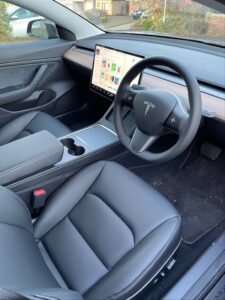
Next, take high-quality photos that do your car justice. Skip the blurry shots taken in the dark next to the garbage bins. Wash your Tesla, park it in good light, and photograph it from every angle. Show the interior, exterior, wheels, dashboard, and a close-up of the main screen with the battery charged to 100 percent. If there are any scratches or cosmetic flaws, highlight them honestly. Clear photos build trust faster than any sales pitch ever could.

When it’s time to create your listing, OnlyUsedTesla.com makes it simple. The platform guides you step by step to fill in everything buyers want to know. Be sure to include trim level, upgrades, color, features, and anything extra that comes with the car. If you paid for Enhanced Autopilot or Full Self-Driving, call that out clearly. Even smaller add-ons, like charging cables or all-weather mats, can make your listing stand out from the rest.

Set your price thoughtfully. Look at comparable Teslas already listed on the site so you don’t set the price too high or too low. If your price is way above market, buyers will scroll past. If it’s too low, people might wonder what’s wrong with the car. A fair, competitive price attracts the most attention, almost like parking a Tesla next to a gas pump—it’s going to get noticed.

Communication is crucial. Respond to inquiries quickly and be thorough in your answers. Don’t vanish for days after a buyer asks a question. Serious shoppers appreciate prompt, polite replies. If anyone proposes strange payment methods or makes you uncomfortable, trust your instincts. OnlyUsedTesla.com offers guidance on safe transactions—follow it carefully and don’t agree to anything that feels off.

Once you have a committed buyer, make sure everything is finalized before handing over the keys. Confirm that payment has cleared completely and that all the paperwork is accurate. Transfer the title, remove your account from the car in the Tesla app, and cancel any subscriptions tied to your ownership. Take a few minutes to help the new owner get set up so they can enjoy their new Tesla without confusion.

Selling your Tesla might feel overwhelming at first, but with a clear description, honest photos, a fair price, and good communication, you’ll turn that big “For Sale” sign into a smooth, satisfying sale. Enjoy those last quiet miles and the memories you made before you watch your Tesla head off to its next adventure.